
Table of Contents
📝Introduction
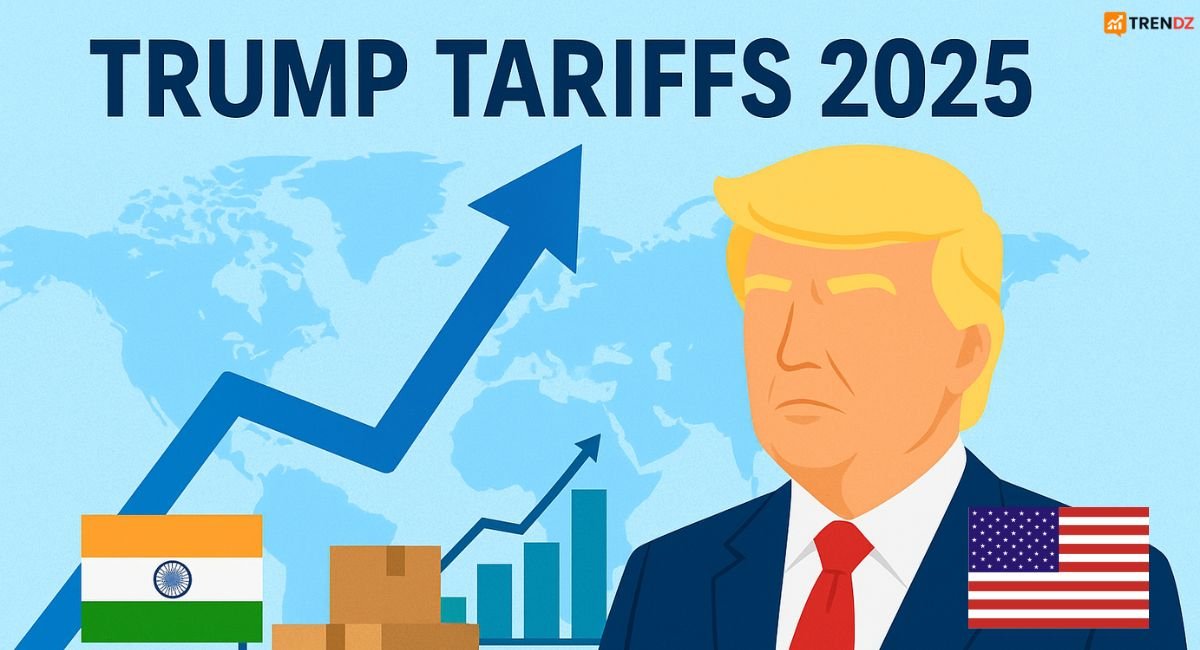
So, let’s talk about what’s been happening in the world of trade. Back in August 2025, President Donald Trump rolled out a massive 50% tariff on a whole bunch of imported goods. This wasn’t just a small policy change—it was a huge shift that’s been sending shockwaves through global markets. We’re seeing everything from higher prices at the store to some real tension between countries. It’s a big deal, and it’s affecting everyone.
🇮🇳 The 50% Tariff on India
Okay, so why did this happen? The Trump administration said it was all about tackling unfair trade practices and shrinking the U.S. trade deficit. It started with a 25% tariff on goods from India, but things escalated quickly. When India kept buying Russian oil—something the U.S. sees as helping Russia amid the Ukraine conflict—the tariff got doubled. President Trump made it clear: buying that oil undermines American efforts to pressure Russia economically.
So now, we’ve got a 50% tariff hitting a wide range of Indian products, from electronics and textiles to solar panels. The impact has been brutal. India’s government says around $48.2 billion in exports are at risk. Some of their key industries, like textiles and leather goods, are staring down a possible 70% drop in sales to the U.S. It’s a serious blow.
📦 End of the De Minimis Exemption
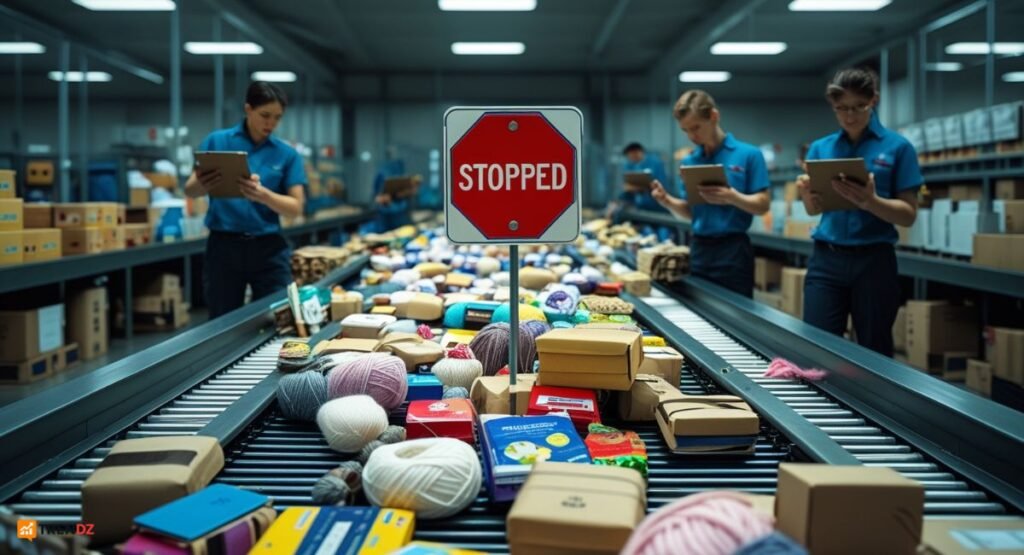
And that’s not all. Remember the “de minimis” rule? It used to let small international shipments—under $800—come into the U.S. without any tariffs. Well, not anymore. The U.S. ended that exemption, and it’s causing chaos. Originally aimed at packages from China, the change now applies to everyone, everywhere.
The result? At least 29 European postal services have put shipments to the U.S. on hold or limited them. They say the new rules are just too complicated to handle right now. For everyday shoppers in the U.S., that means delays or even canceled orders on small stuff like yarn or cigars. Some critics are calling it “Trump’s online shopping tax.” The administration’s response? Basically, they’re telling foreign businesses to figure it out. It’s another layer in this whole trade conflict—shifting the problem around without really solving it.
🌍 Global Repercussions

This isn’t just a U.S.-and-them story. The tariffs and the end of de minimis are shaking up the whole global trade scene. Countries that depend on selling to the U.S. are suddenly facing much higher costs, making their goods less competitive.
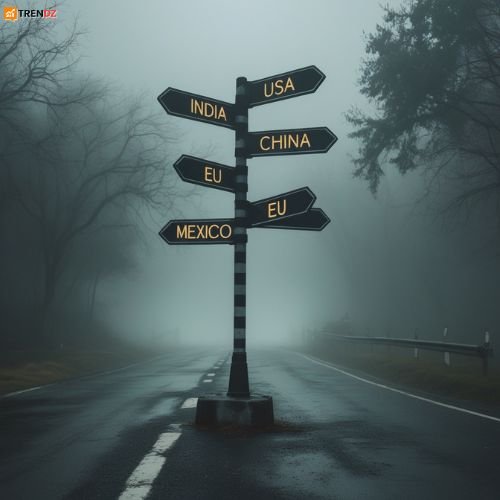
And they’re not just taking it lying down. Brazil, for example, is moving toward counter-tariffs, especially on U.S. farm products. Mexico is also making changes, raising duties on Chinese goods to align more with U.S. policies. What’s really interesting is how trade is rerouting itself. Brazil’s beef industry, for instance, is now looking at Mexico as a new big customer instead of the U.S. It’s a reminder that when one door closes, another one opens—somewhere else.
💰 Economic Implications
Here’s where it hits home for Americans: prices are going up. Economists at places like Stanford are warning that these tariffs could make inflation worse. The average tariff rate is now up to 18.6%—the highest it’s been since 1933. That means you’re paying more for everything from gadgets to groceries.
Small and medium-sized businesses are feeling the squeeze the most. They don’t have deep pockets to absorb those extra costs, and finding new markets isn’t easy. There’s a real worry about job losses and companies shutting down. It’s a tough situation all around.
🗳️ Public Opinion and Political Reactions
So, what do people think? It depends on who you ask. Some Americans are all for the tariffs, believing they’ll help protect U.S. industries. Others are worried about rising costs and lost jobs. Politically, it’s split pretty much down the middle—Republicans are generally supportive, while Democrats are sounding the alarm.
Internationally, feelings are running high, especially in India. Their government is not happy, calling the tariffs unfair and punitive. Some analysts are even comparing it to a “trade embargo.” Yeah, it’s that serious. Diplomatic relations are definitely feeling the strain.
✅ Conclusion
Love it or hate it, President Trump’s 50% tariffs are reshaping global trade. The goal was to fix trade imbalances, but the fallout is real—economic pain, diplomatic headaches, and some big shifts in how countries do business with each other. As the world adapts, we’ll keep seeing the effects of this policy play out. One thing’s for sure: international trade will never be quite the same.
❓ FAQs
Q1: What goods are primarily affected by the 50% tariff on India?
A1: Sectors such as textiles, leather goods, and solar panels are expected to be hit hardest, with some industries fearing a 70% reduction in exports to the U.S.
Q2: How has the end of the de minimis exemption impacted consumers?
A2: Consumers are experiencing delays or cancellations of routine, small-value imports, such as yarn and cigars, due to the new tariff policies.
Q3: Which countries are retaliating against the U.S. tariffs?
A3: Brazil and Mexico have initiated retaliatory actions, including imposing counter-tariffs on U.S. agricultural products and raising duties on Chinese goods, respectively.
Q4: What is the expected impact of the tariffs on U.S. inflation?
A4: Economists warn that the new trade policies could exacerbate price increases across various sectors, contributing to rising inflation in the U.S.
Q5: How are small businesses affected by the new tariffs?
A5: Small and medium-sized enterprises are particularly vulnerable, as they often lack the resources to absorb such steep tariffs or to pivot to alternative markets, leading to concerns about job losses and business closures.
For a detailed analysis of the impact of Trump’s 50% tariffs on India, watch the following video:
Also Check out :


Great help on understanding the tarrif man
Keep updating stuff like this
Yo, checked out Megaacevn and gotta say, the site’s pretty smooth. Loads fast, games are decent. Definitely worth a look if you’re hunting for something new. Check it out here: megaacevn