Table of Contents
Introduction
I still remember the first time I asked myself this question: Will a machine take over what I do one day? It wasn’t a random fear—it came after I saw a tool that could write emails better and faster than me. For a second, I laughed it off. Then the thought stuck. And I know I’m not alone.
In almost every conversation today—whether it’s in offices, universities, or even family dinners—the topic of AI pops up. Some people are excited, others are nervous, and many are caught somewhere in the middle. So let’s sit down, like friends talking over tea, and really look at the jobs most at risk and the ones that might just be safer.
Why AI Isn’t Just Another Buzzword
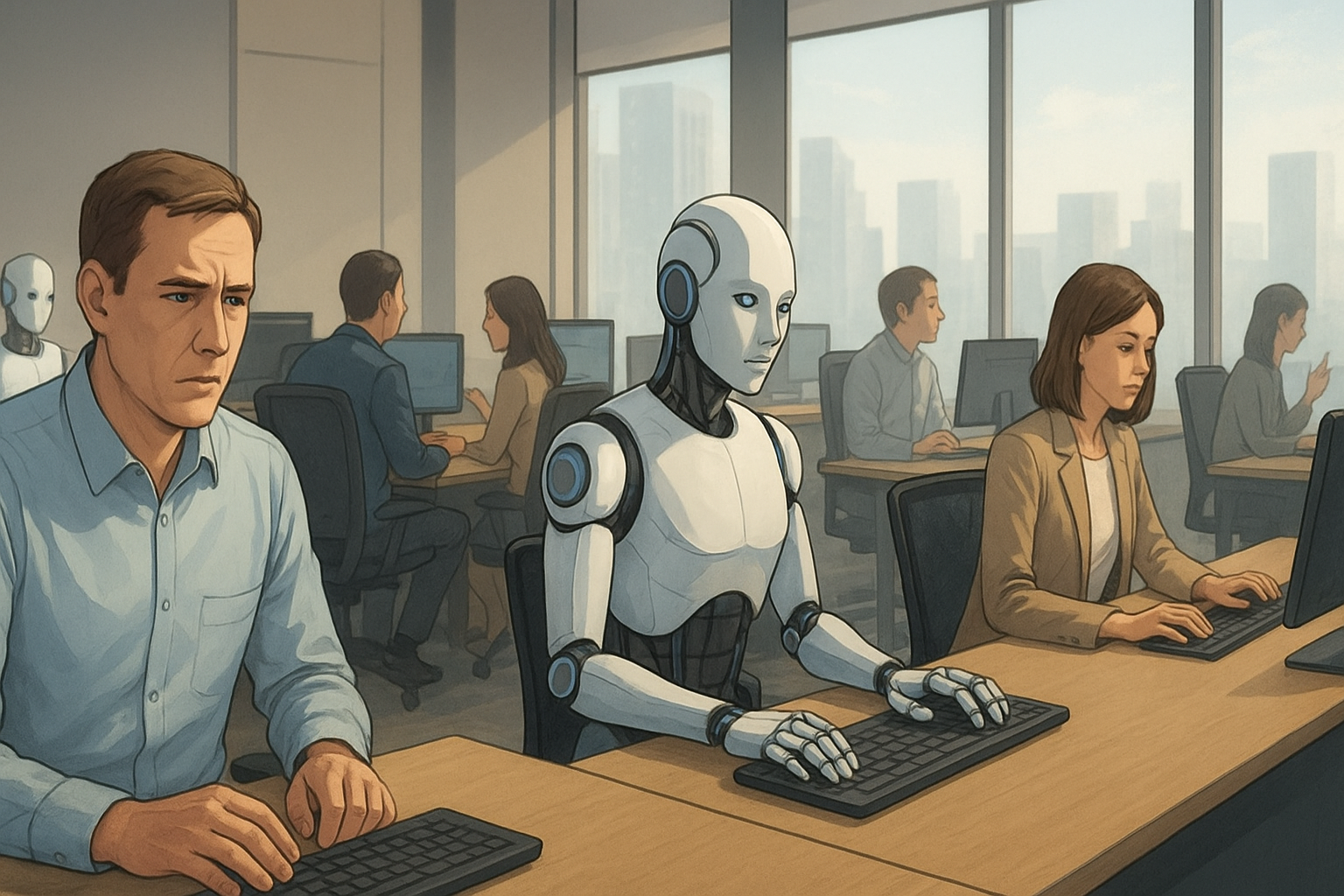
The reason AI feels different from earlier technologies is speed. When the internet came along, it took years before every household had it. But AI? It’s everywhere almost instantly—your phone, your shopping apps, even the recommendations you didn’t ask for.
This rapid rise has made us rethink work itself. Will the creative writer be replaced? Will accountants need to find something else to do? Or will it actually help us become more efficient instead of irrelevant?
The Professions Most at Risk
Let’s rip the band-aid off. Some jobs are more vulnerable than others, and pretending otherwise doesn’t help.
- Routine Office Work
Think about roles like data entry or simple report writing. These are repetitive tasks where AI shines because it never gets bored or tired. If your work can be written in a step-by-step manual, chances are, automation is circling around it. - Customer Support
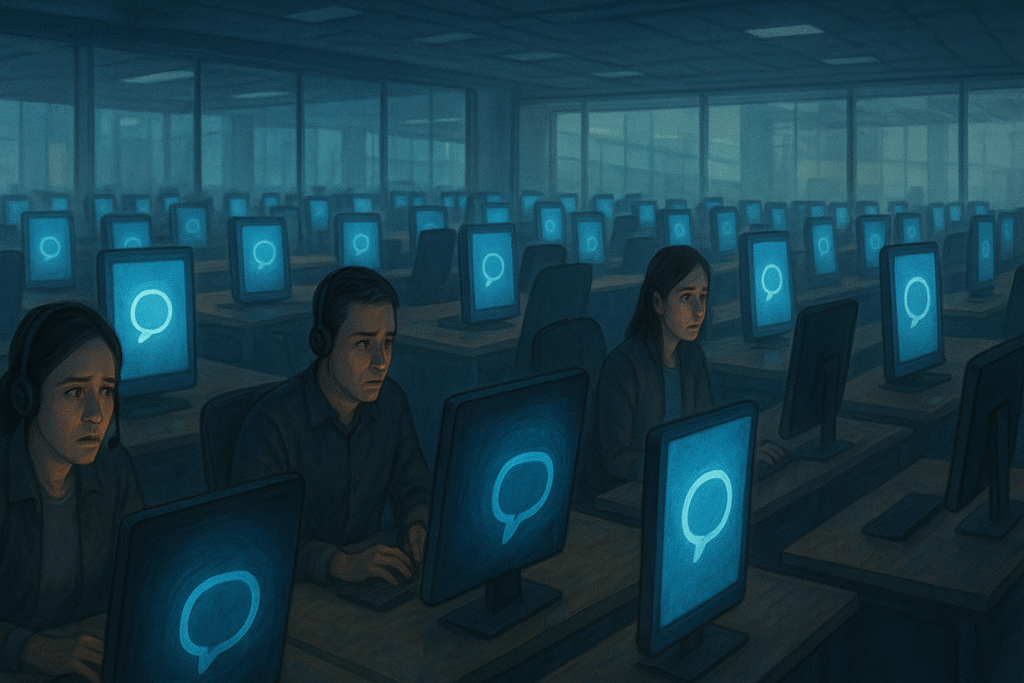
You’ve probably noticed it already—chatbots answering your questions, virtual assistants booking your tickets. While they’re not perfect (sometimes they test your patience), they are improving fast. Human agents may not vanish, but their numbers could shrink. - Basic Creative Work
This one surprises people. Designing a logo, creating a draft blog, or even generating music—AI tools can already do a decent job. Sure, it’s not genius-level art, but for companies that just want “something good enough,” the human creator faces competition.
The Jobs Safer (At Least for Now)
Not everything is doom and gloom. Some roles are resilient because they rely on human qualities AI can’t truly mimic.
- Healthcare Workers
Imagine a robot holding your hand while you’re scared before surgery. It won’t feel the same, right? Doctors, nurses, and therapists bring empathy, and that human connection is as important as the treatment itself. - Skilled Trades
Plumbers, electricians, carpenters—AI might guide them with better tools, but it can’t crawl under your sink or climb onto your roof. These are hands-on roles, and people will always trust another person more in their home. - Leaders and Educators
Leadership isn’t about crunching numbers; it’s about motivating people, reading emotions, and inspiring action. The same goes for teachers. A child might learn facts from a program, but the spark of encouragement only a teacher gives? That’s priceless.
What This Really Means for Us
Here’s the truth: AI won’t just “take” jobs—it will change them. The cashier at a store may not always scan your items, but maybe they’ll be helping customers in new ways. Writers may not type every line, but they’ll polish and add personality that machines can’t.
If you think about it, technology has always done this. My grandfather used to tell me about typewriters in offices. People thought computers would kill jobs, but instead, we got new industries. The same could happen here—just faster.
How to Stay Ahead
Now the big question: what do we do?
- Learn continuously: The more adaptable you are, the harder you are to replace.
- Double down on creativity and empathy: These are things machines can’t fake, at least not convincingly.
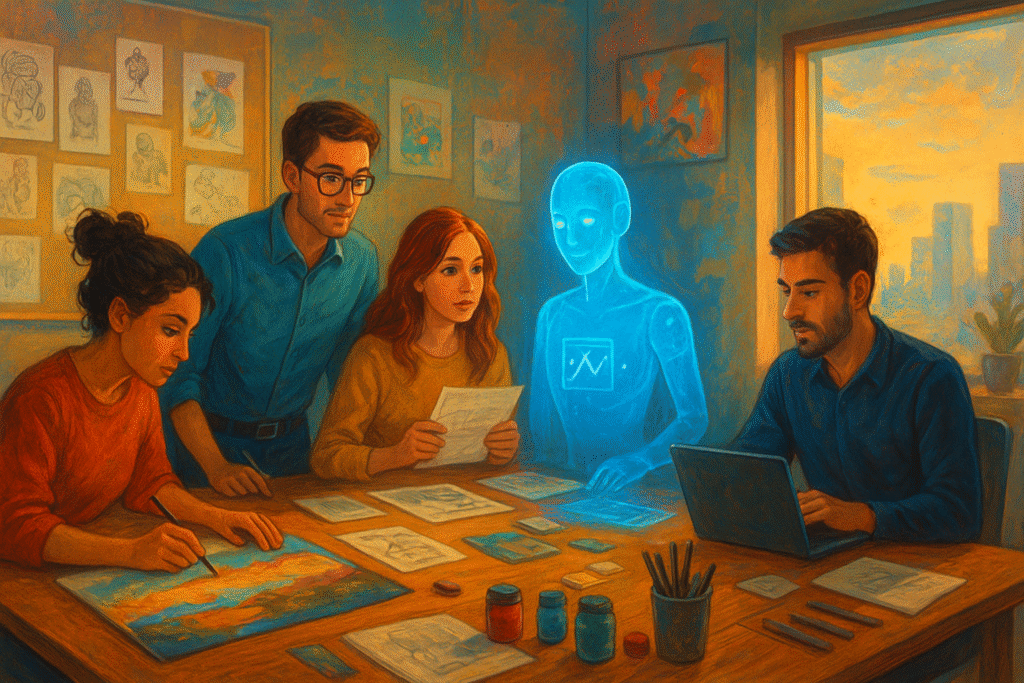
- Use AI as a partner: Instead of fearing it, learn to work with it. Think of it as a helpful assistant, not a rival.
A Personal Reflection
Sometimes when I write, I wonder—would this piece exist without technology? Probably not. At the same time, I know no algorithm can share the story of my grandfather’s typewriter or the nervous laugh I had when I first saw an AI tool at work. That’s the beauty of being human: we live, we feel, we tell stories.
Yes, AI will reshape the job market. Some roles will fade, new ones will rise. But if history tells us anything, it’s this—we adapt. The trick is to not deny change but to ride it.
Final Thoughts
So, is AI coming for your job? Maybe. But maybe it’s also here to help you do it better. Instead of asking, “Will I be replaced?” perhaps the better question is, “How can I grow with this change?”
The future of work is not about humans versus machines—it’s about humans with machines. And that story is still being written, one job, one skill, and one person at a time.
More about us:

Kubetvip8 é a melhor! Jogos incríveis, pagamentos em dia e um suporte que realmente te ajuda. Não troco por nada kubetvip8.