
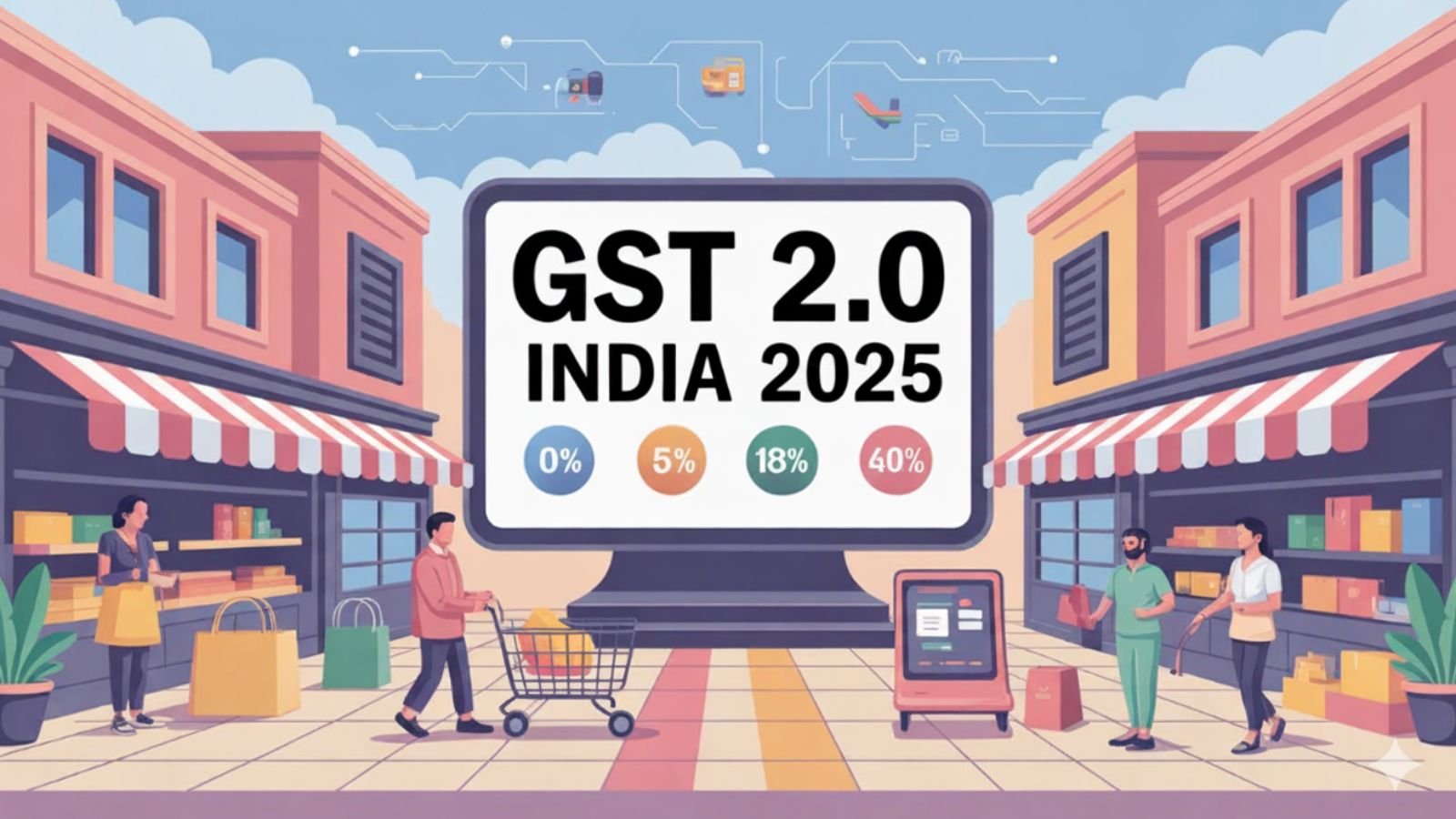
Alright, let’s talk about GST 2.0. You’ve probably seen the headlines, but what does it actually mean for you and your wallet? Let’s cut through the complicated jargon and break it down in simple, everyday language.
Remember the first version of GST that launched a few years back? It was a good start, but let’s be real—it was pretty confusing with all its different tax rates. It felt like you needed a calculator and a law degree just to figure out your bill!
Well, the government listened. On September 22, 2025, they hit the refresh button and launched GST 2.0 India 2025. Think of it as a massive software update for India’s tax system. The main goal? To make everything simpler and fairer. They’ve basically taken the old, complicated tax structure and streamlined it into something much easier to understand. This is one of the biggest tax reforms we’ve seen, and it’s all about giving people some relief.
Table of Contents
Key Features of GST 2.0
So, what’s actually new? Here’s the lowdown on the big changes:
- Simplified Tax Structure: The old system had five main tax slabs. GST 2.0 cleans that up into just four: 0%, 5%, 18%, and 40%. Fewer categories mean less confusion for everyone—for shopkeepers filing taxes and for us just trying to understand our receipts.
- Reduced Tax on Essentials: This is the best part. The things you absolutely need to get by every day—like basic food, medicine, and school supplies—now have little to no tax. That should help a bit with the monthly budget.
- Increased Tax on Luxury Goods: On the other hand, if it’s a luxury item or something considered bad for your health, it’s going to cost more. The tax on high-end cars, tobacco, and alcohol has gone up. The idea is that those who can afford luxuries can also contribute a bit more.
- Promotion of ‘Swadeshi’ Products: You know the whole “Vocal for Local” movement? GST 2.0 builds on that. It encourages buying products made right here in India. The hope is to give our local businesses a boost, which is great for the economy and creates more jobs here at home.
Detailed List of Items Under Each GST Slab
Let’s get practical. Where do your everyday shopping items stand now? Here’s a clearer picture of what falls under each new slab.
0% GST (Tax-Free)
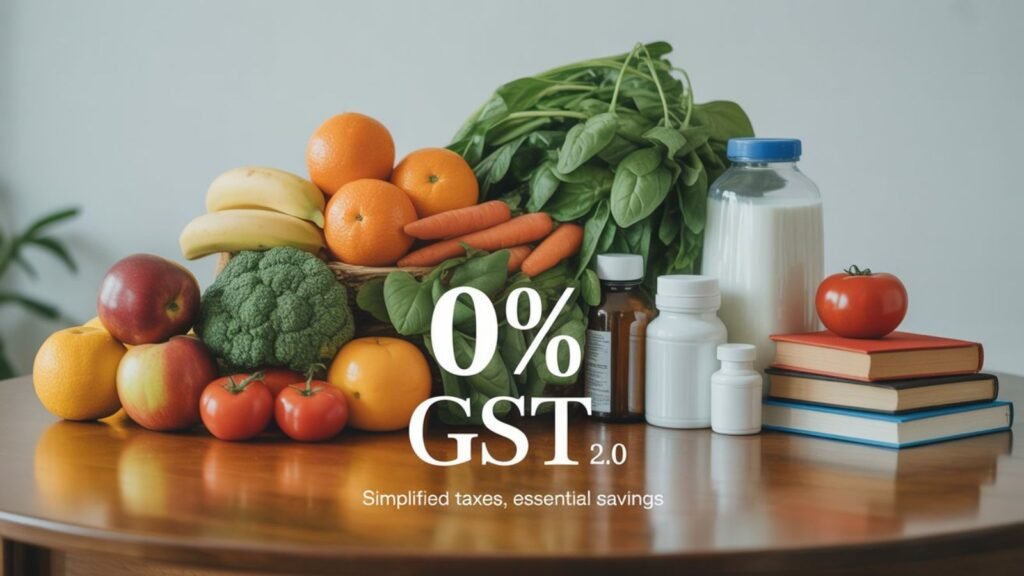
This is your basket of absolute essentials. You won’t see a tax charge on these items at all.
- Food Items: Your kitchen staples are safe. Roti, Paratha, Khakra, Thepla, along with fresh fruits, vegetables, milk, and grains are all tax-free now.
- Medicines and Vaccines: This is a huge deal. Critical medicines for diseases like cancer, tuberculosis, and HIV, as well as most vaccines, are now free of GST. This makes managing healthcare costs a little less stressful.
- Educational Materials: Anything a student needs to learn. Books, notebooks, pencils, and rulers—all have a big, fat 0% tax.
- Health Insurance Premiums: This is a fantastic change. The premium you pay for your personal health insurance policy is now exempt from GST. It’s a direct incentive to stay protected.
5% GST
This is the low-tax category for the everyday things you grab off the shelf without much thought.
- Daily Use Items: Your quick snacks and drinks. We’re talking biscuits, chips, packaged snacks, and bottled soft drinks.
- Personal Care Products: The stuff you use in your daily routine—shampoo, soap, toothpaste, and hair oil.
- Household Items: The essentials that keep your home running, like toilet paper, cleaning liquids, and basic kitchen tools.
18% GST
Consider this the new “standard” rate. It covers a wide range of common products and services that aren’t essentials but aren’t luxuries either.
- Clothing and Footwear: Most ready-made clothes, shoes, and accessories like bags fall here.
- Electronics: This is a big category. Your smartphones, TVs, refrigerators, and laptops now come with an 18% tax.
- Furniture and Home Decor: Items to furnish your home, like chairs, tables, and decorative pieces.
- Services: This includes eating out at most restaurants, staying at a hotel, and your ticket for the movies.
40% GST
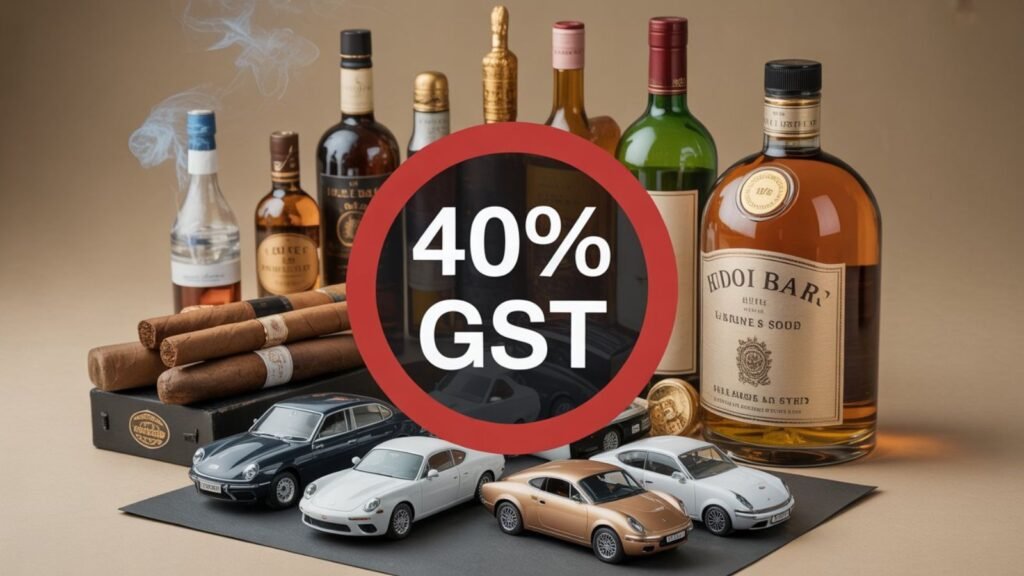
This is the top shelf, reserved for the fancy stuff and what the government calls “sin goods.”
- Luxury Cars and SUVs: Big, high-end vehicles that are a symbol of luxury now get the highest tax tag.
- Tobacco Products: All tobacco items, including cigarettes and cigars, are taxed heavily to discourage use.
- Alcoholic Beverages: Beer, wine, and hard liquor continue to be in the highest tax bracket.
See Full List: Click Here
Impact of GST 2.0 on Consumers
So, how does this all play out for you when you’re out shopping?
- Lower Prices on Essentials: This is the immediate win. Your spending on groceries, medicines, and health insurance should see a noticeable drop. More money in your pocket at the end of the month.
- Higher Prices on Luxury Goods: That dream luxury car or a fancy bottle of whiskey will now make a much bigger dent in your bank account. It might make you think twice before splurging.
- Encouragement to Buy Local: With the push for Swadeshi products, you might find yourself leaning towards Indian brands. It feels good to support local businesses, and it helps our economy grow from the ground up.
Benefits of GST 2.0
Beyond just price changes, the new system has some bigger advantages.
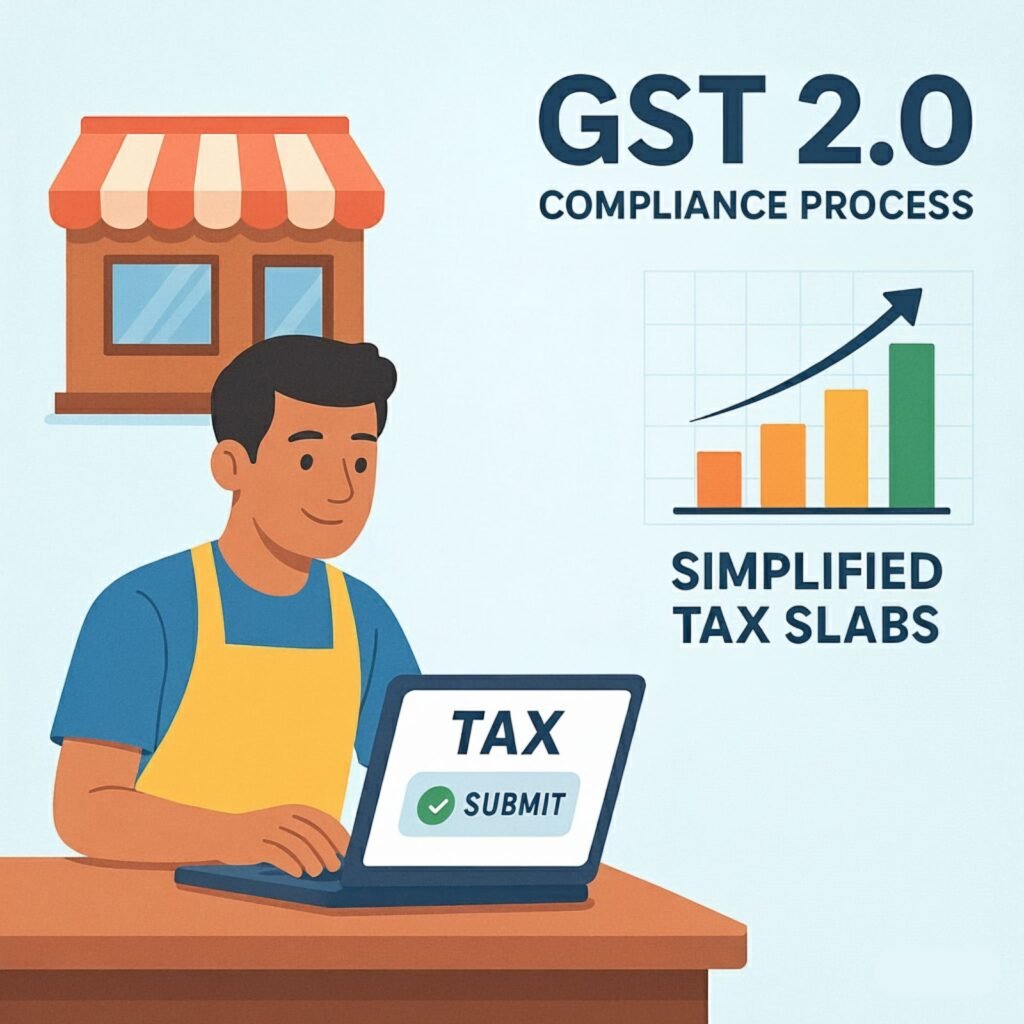
- Simplified Tax Compliance: For the millions of small business owners out there, this is a breath of fresh air. Fewer tax slabs mean calculating and filing taxes (GST compliance) is way easier and less time-consuming.
- Boost to Local Economy: By making Indian products more attractive, the reform directly supports our local manufacturers and shops. A stronger local economy is good for everyone in the long run.
- Increased Transparency: A simpler system means there’s less room for confusion and funny business. It makes the whole tax process clearer and fairer for everyone involved.
Conclusion
So, there you have it! GST 2.0 India 2025 is basically a user-friendly upgrade. It’s designed to make life a little easier for the common person by making essentials cheaper and the tax rules simpler. While some luxury treats will cost more, the overall move seems to be about fairness and supporting everyday Indians. It’s a solid step towards a simpler and stronger economic system for everyone.
Also Read Our Other News: h1b visa shakeup 2025

Trangchubong88 is the place to be! Been following them for sports betting and they haven’t let me down yet. Give it a shot, you might like it! trangchubong88